My Victory
A Digital Sanctuary for Cancer Survivors
00

problem
Traditional fitness environments are not built for cancer survivors. They prioritize performance, intensity, and aesthetics, often ignoring the realities of recovery, fluctuating energy levels, and the emotional weight that follows treatment. Survivors are asked to reenter spaces that can feel intimidating, unsafe, or alienating at a moment when trust in one’s body is still fragile.
solution
MyVictory Fitness was created to address that gap. The challenge was to design a platform that allowed survivors to rebuild movement, confidence, and routine without pressure or exposure. It needed to live online, reach people wherever they were, and feel emotionally safe from the first interaction. At the same time, the technical scope was significant. This was not a content site or a simple app. It required a full streaming and membership platform capable of supporting real people in vulnerable moments.
What began as a modest MVP evolved into a full scale wellness brand with live classes, on demand content, community interaction, and a robust technical foundation. The system was designed to meet survivors where they were physically and emotionally, allowing them to move at their own pace without comparison or pressure.
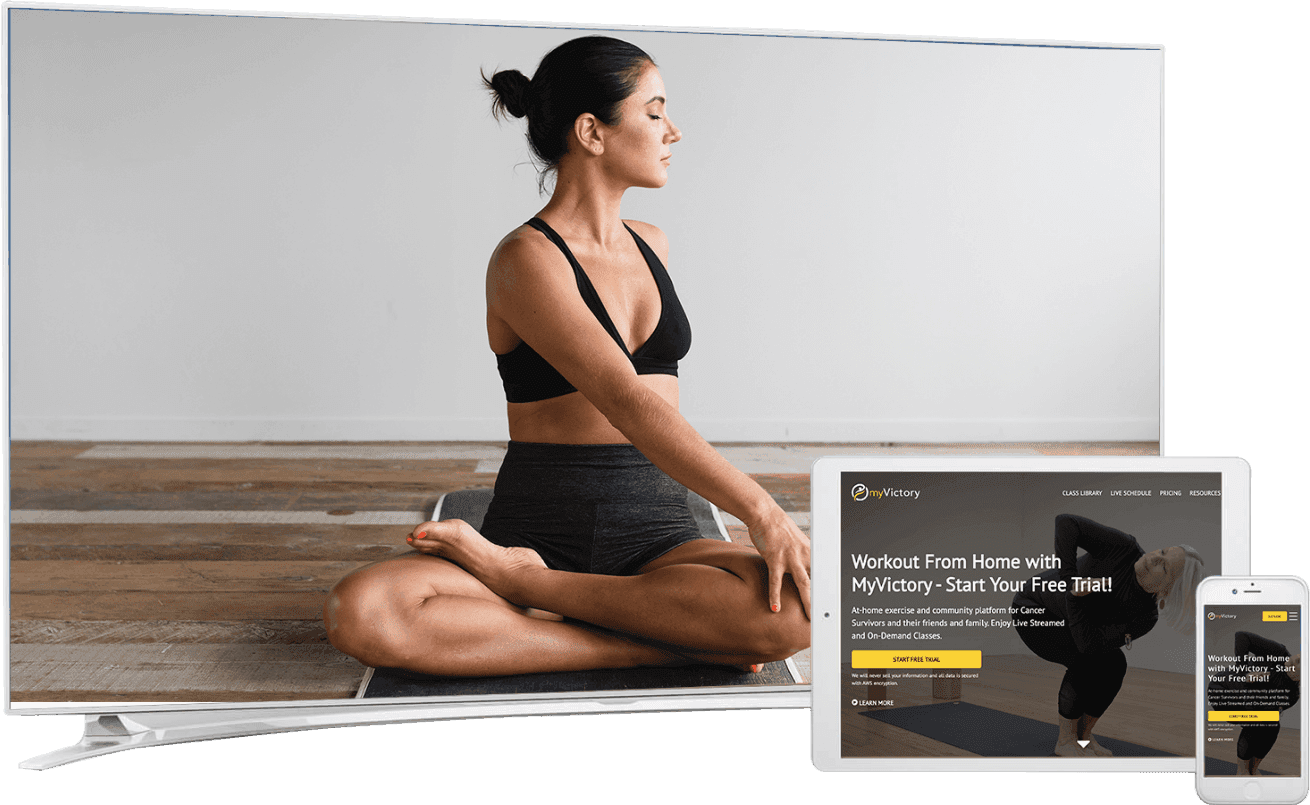
I led the design and product strategy for MyVictory as a fully at home fitness ecosystem built around safety, adaptability, and care. The goal was not to replicate a gym digitally, but to rethink fitness through the lens of recovery. Every decision prioritized emotional safety, clarity, and ease of use.
Grounding the work in responsibility
This project carried emotional weight from the beginning. Members of the founding team had lost loved ones to cancer, and my own team was processing personal loss at the time. It was immediately clear that this was not just a product build. It was a responsibility. Precision and dignity were non negotiable.
Discovery and survivor research
I immersed myself in survivor stories, oncology recovery insights, and interviews with instructors specializing in adaptive and low impact movement. The goal was to understand not just functional needs, but fears.
Four truths shaped the platform. Survivors wanted privacy. They needed adaptability as energy levels changed day to day. They required emotional safety in tone, visuals, and instruction. And they needed clarity. When fatigue or cognitive fog is present, simplicity becomes a form of care.
Reframing fitness as an at home experience
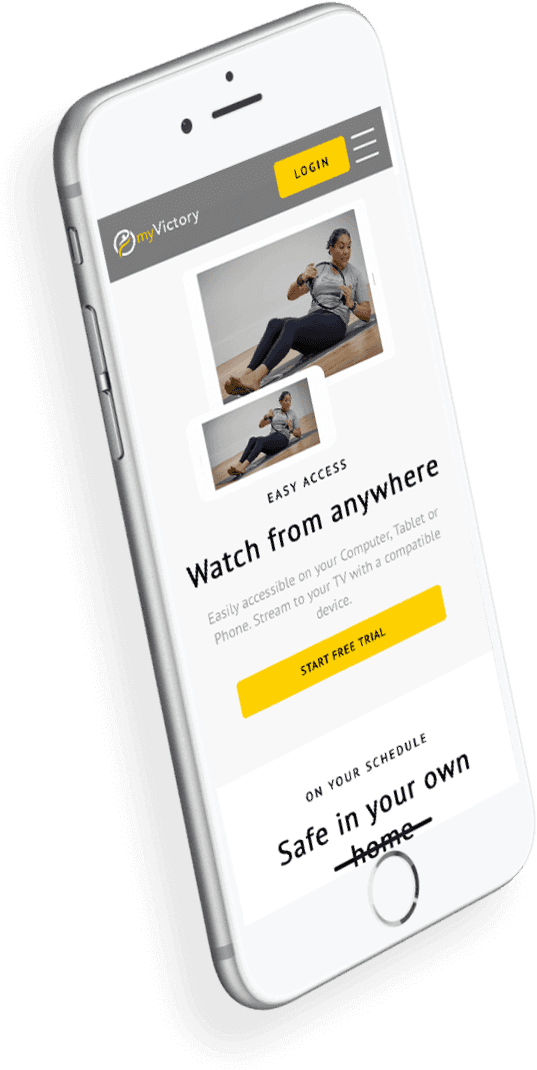
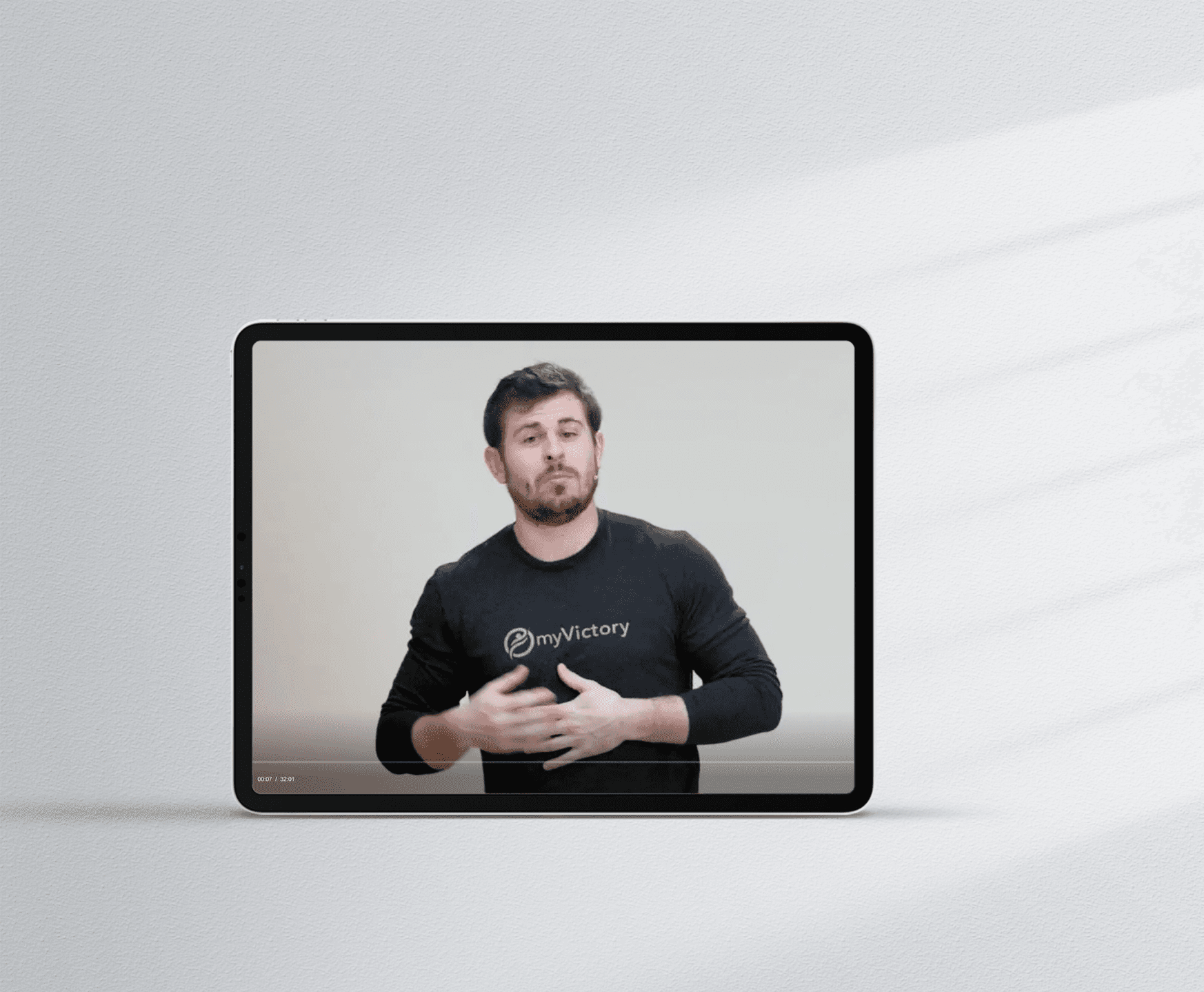
One insight changed everything. Survivors felt safest at home. Gyms filled with mirrors, noise, and intensity often triggered anxiety or shame. This led to a full architectural shift. MyVictory became a fully at home experience, built around livestream classes, on demand workouts, and instructors trained to guide rather than push.
Product and system design
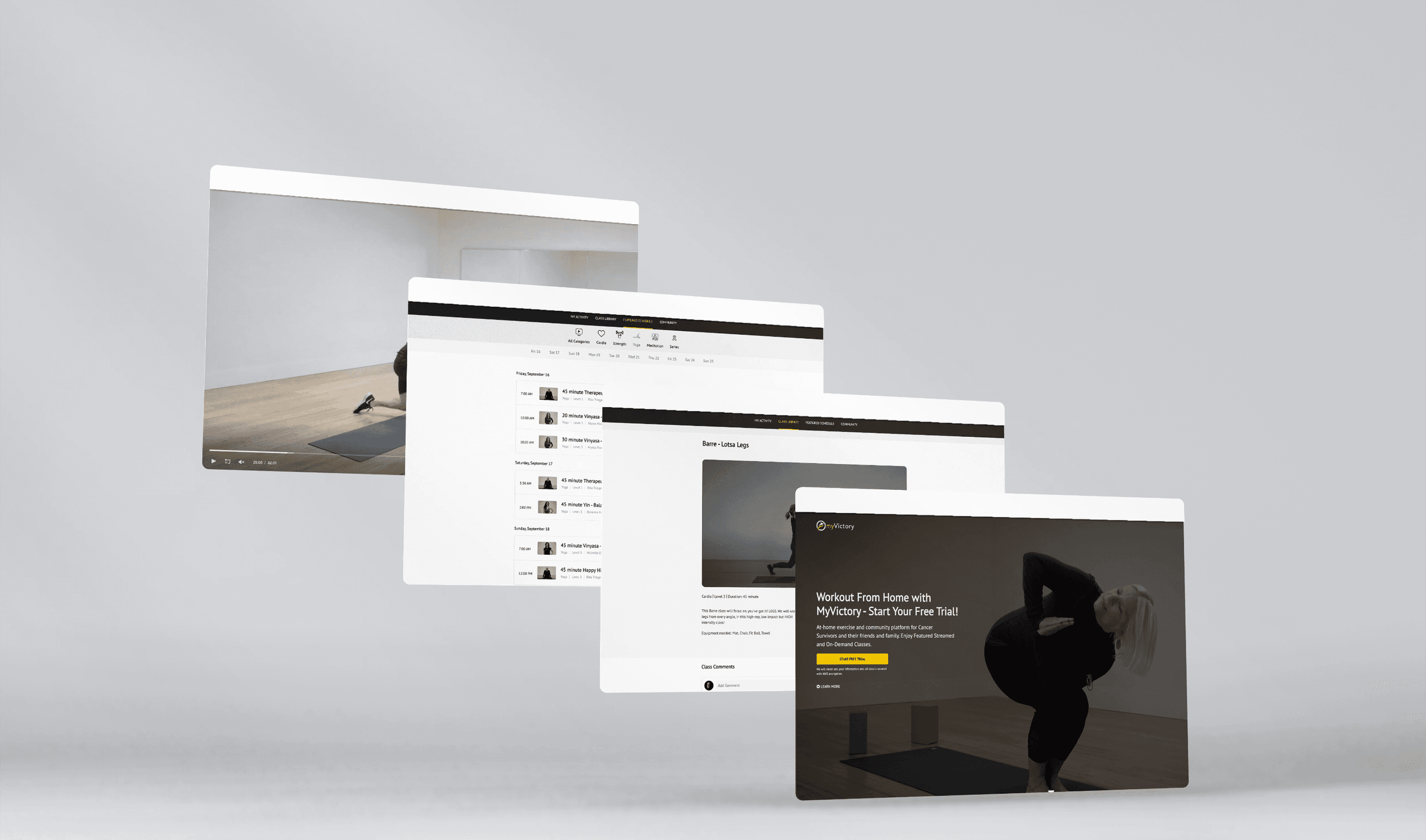
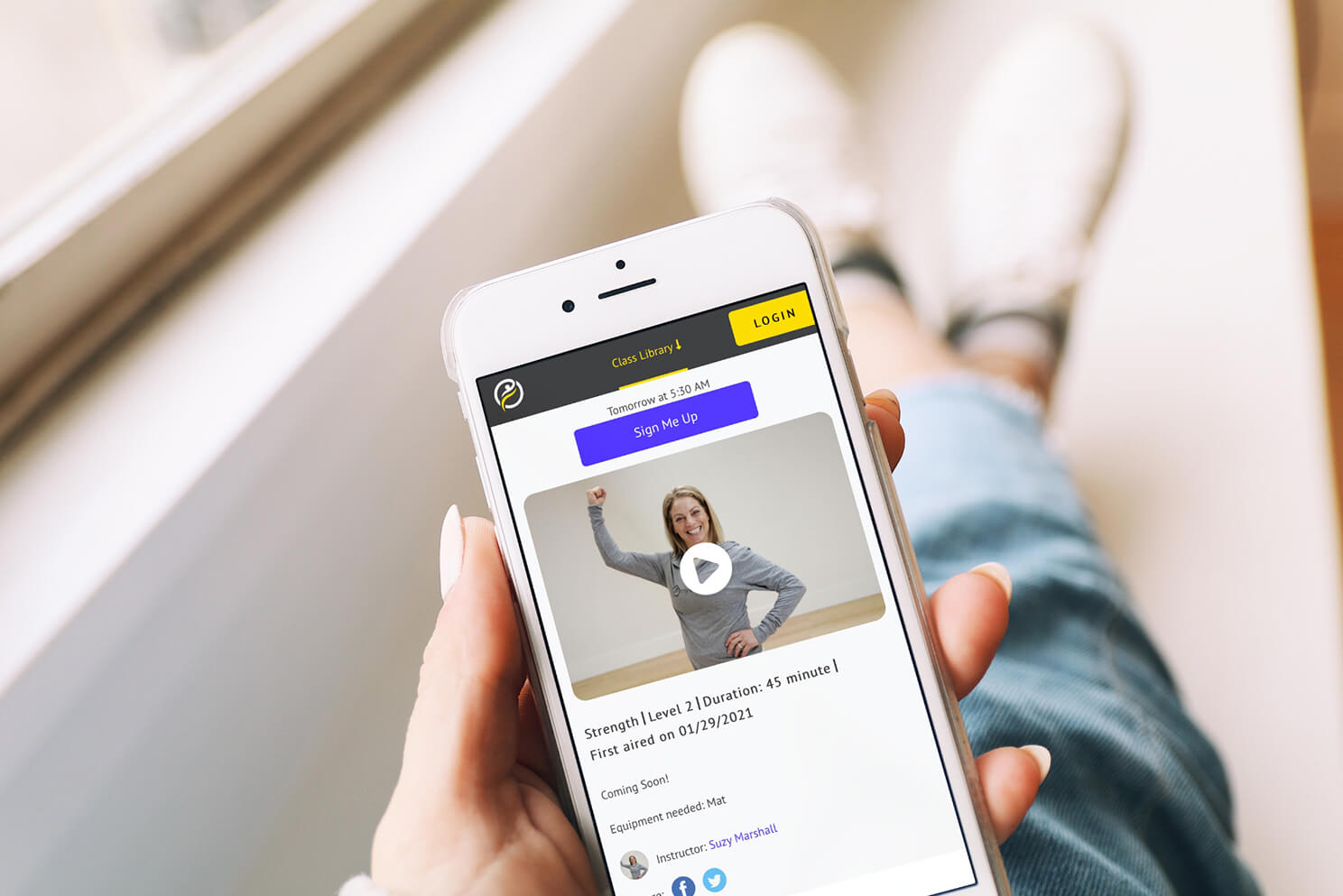
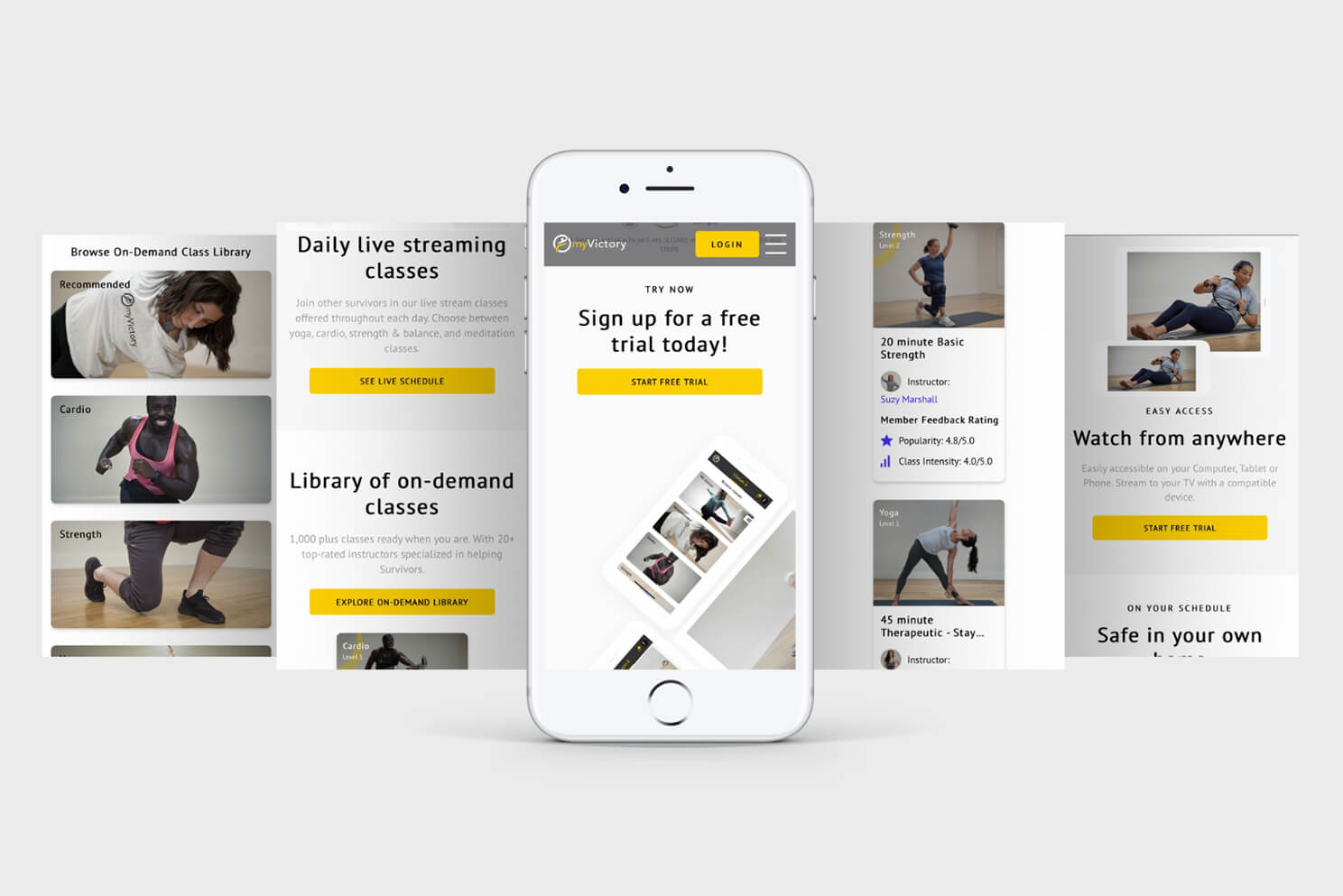
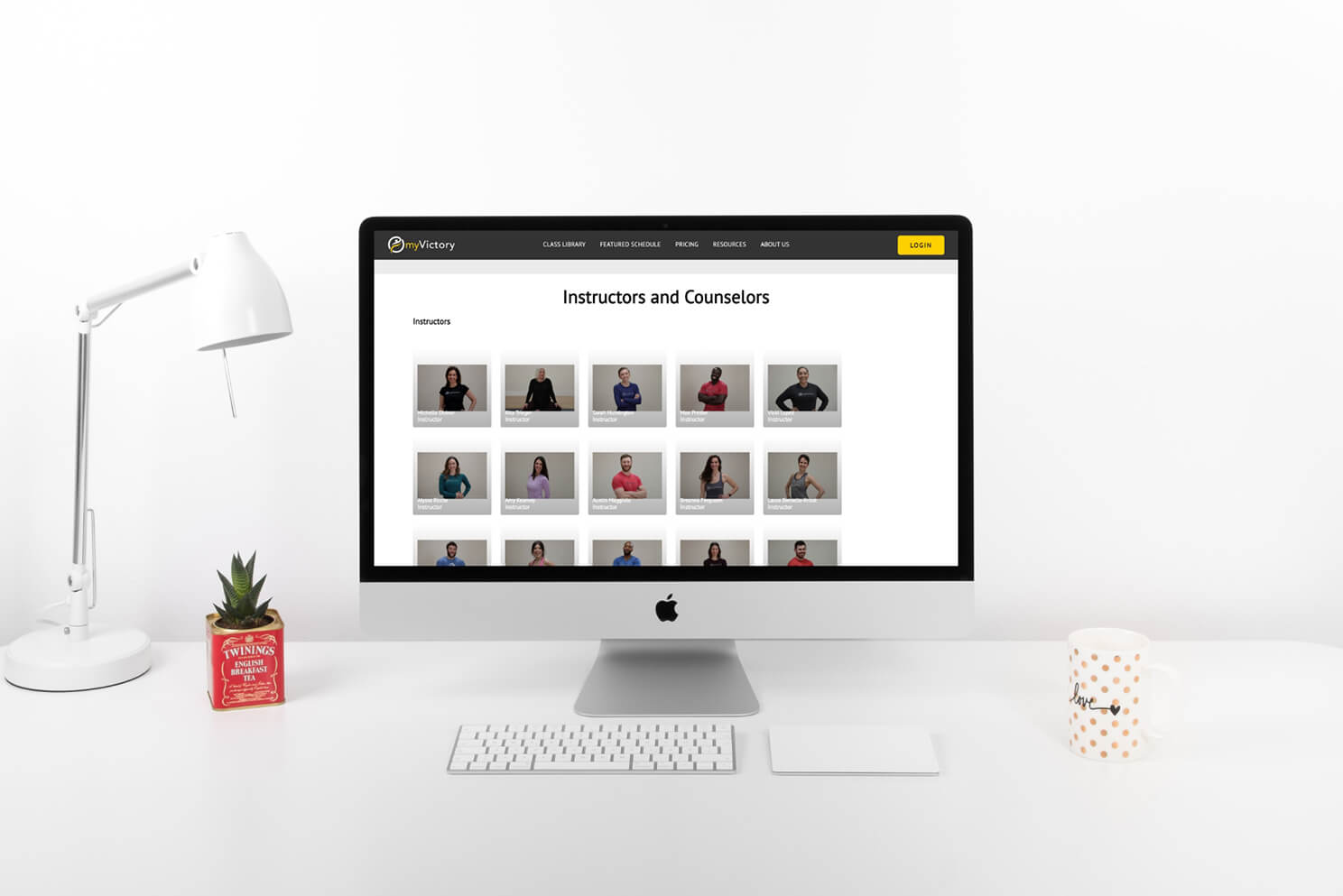
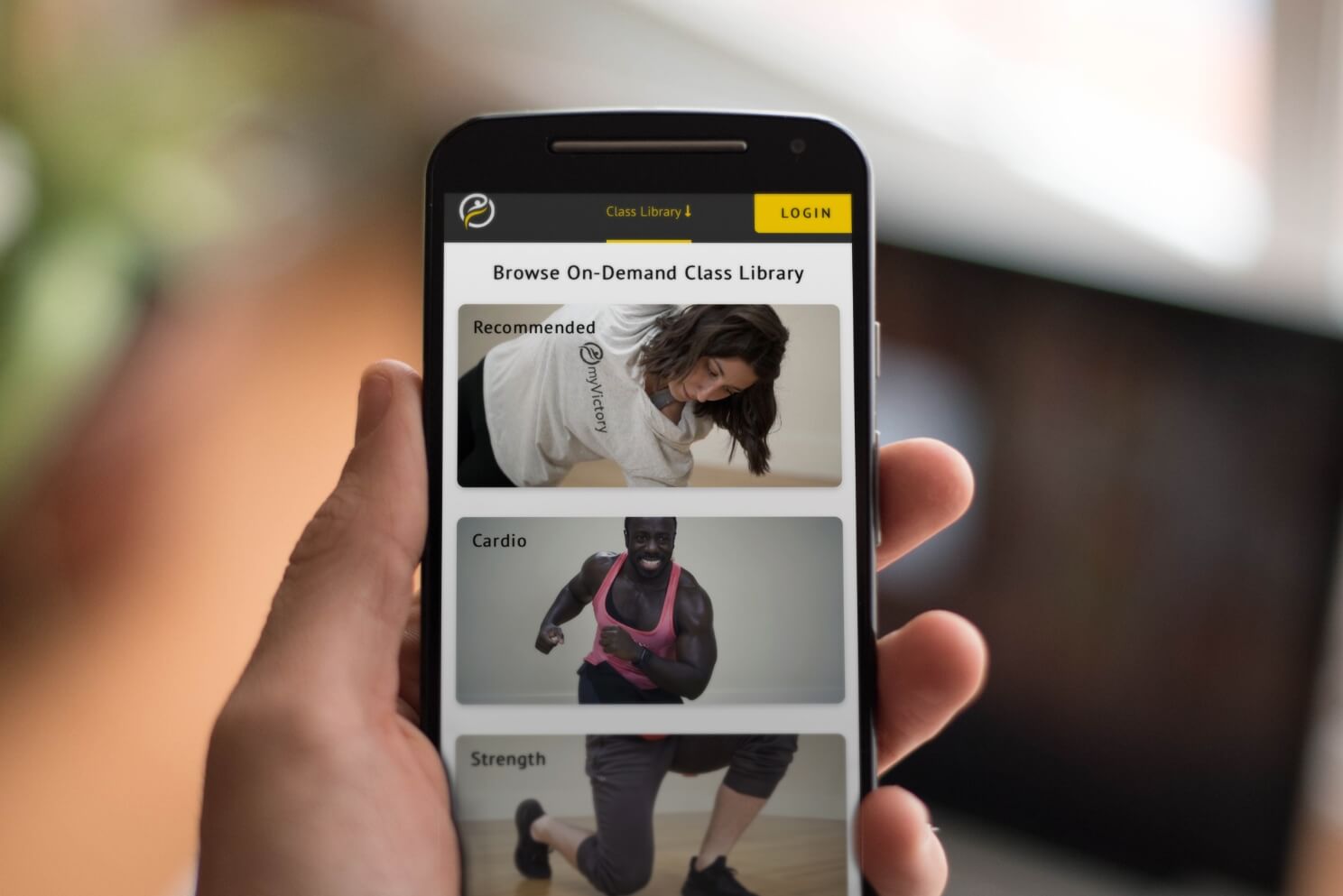
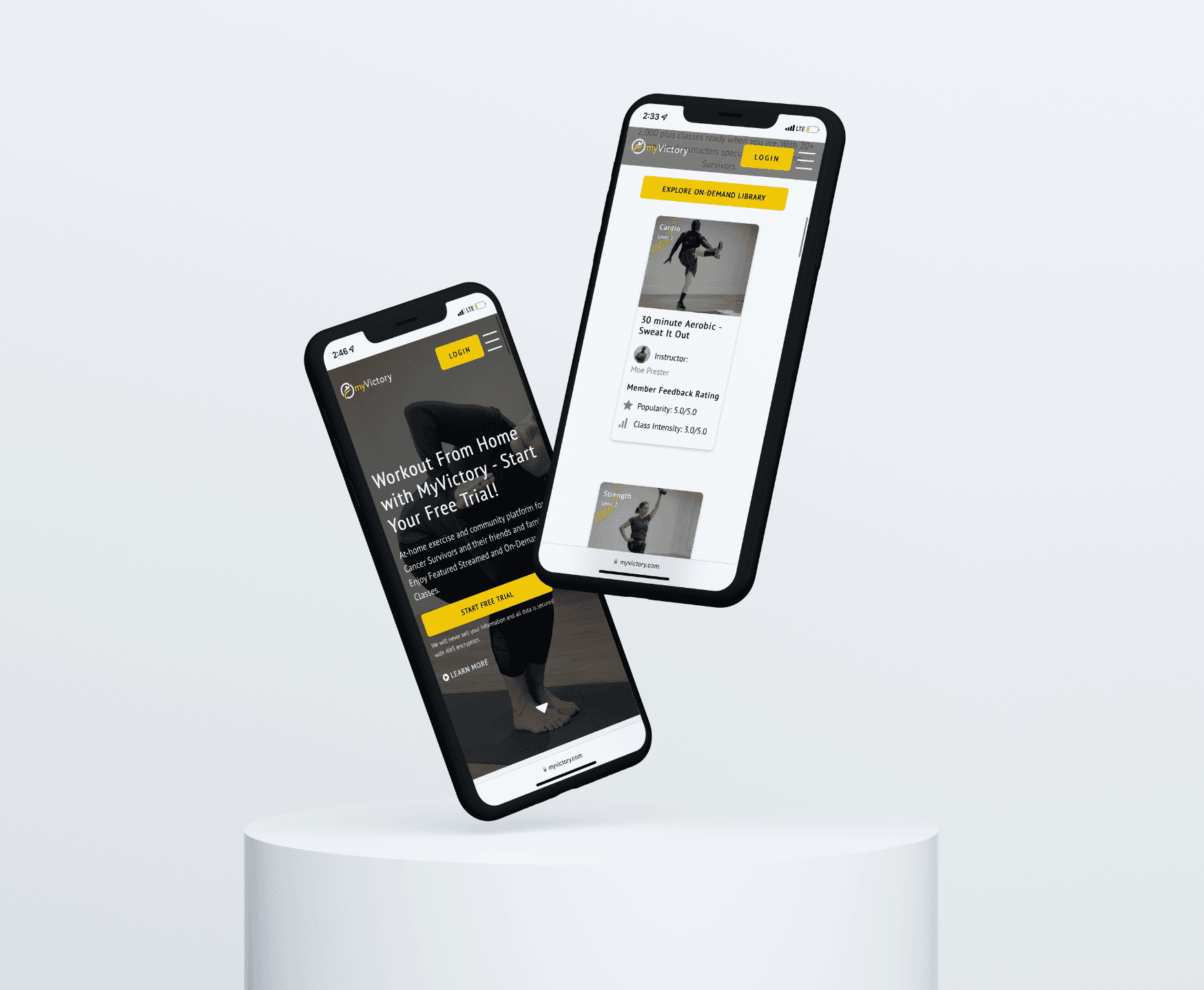
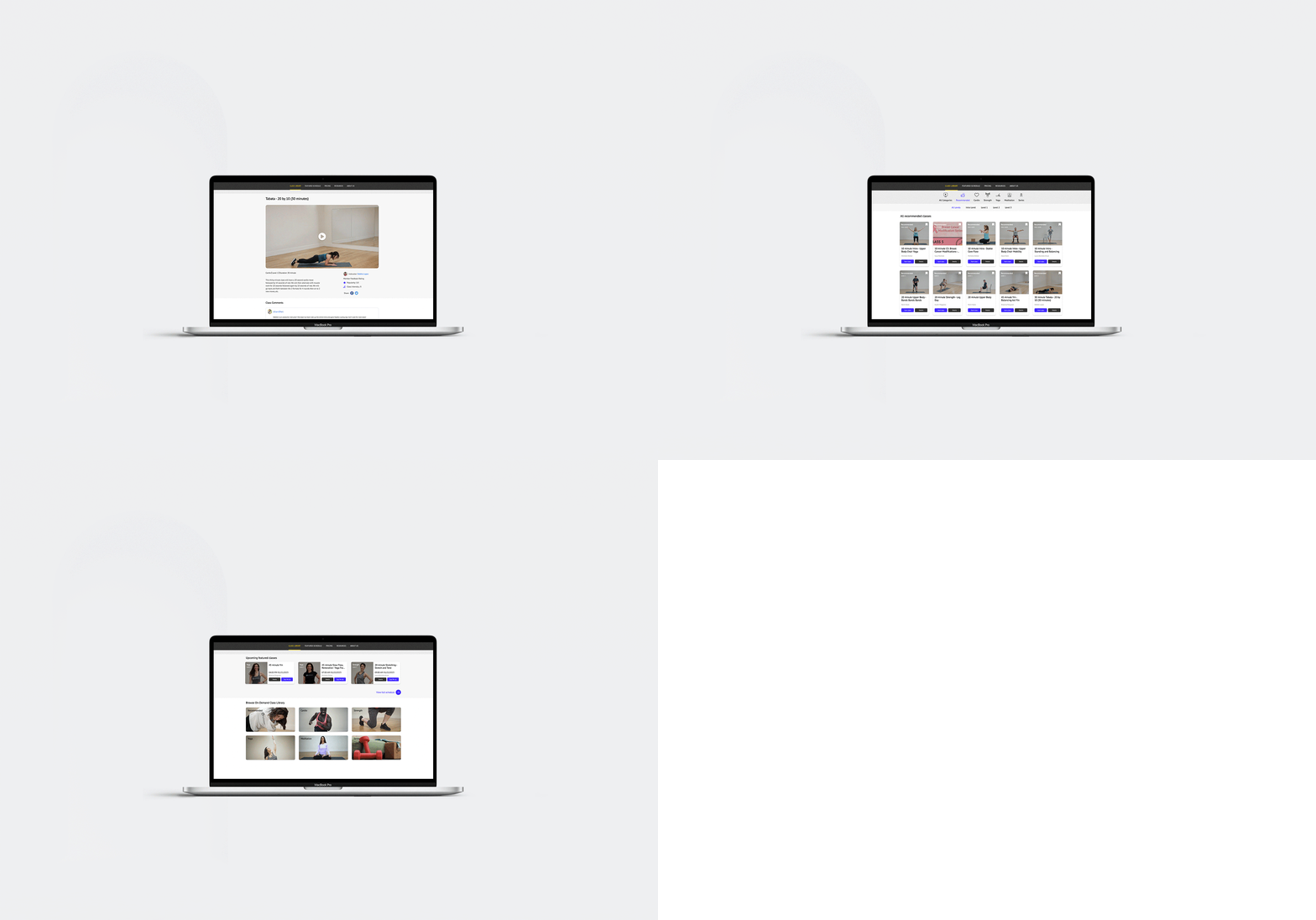
The platform required a complex technical build comparable to early livestream fitness products. I designed and oversaw development of a system that included live streaming, a large on demand library, instructor broadcasting dashboards, real time class chat, progression mechanics focused on consistency, and a multi tier membership system.
Classes were categorized by energy level rather than difficulty. Progress was measured through presence, not intensity. The interface was intentionally minimal to reduce cognitive load for tired users.
Technology and infrastructure
The platform was built on a scalable AWS architecture capable of supporting live and archived video, unpredictable usage spikes, and secure backend operations. Payment systems and subscriptions were automated, and privacy considerations were embedded throughout the experience.
Every feature served a single purpose. Remove friction. Preserve dignity. Make it easier for someone to show up on a difficult day.
Outcome
The response was immediate. Within the first month, the platform reached over one thousand active users, with hundreds of livestream classes completed. Engagement and retention exceeded expectations, and instructors began forming meaningful relationships with recurring participants.
During COVID, gyms across North America approached MyVictory to license the platform as a white label solution for remote fitness. Media attention followed. AWS featured the platform’s technical architecture. Business Insider and multiple health publications highlighted MyVictory as a breakthrough in survivor focused wellness.
The platform proved that fitness technology could be built around empathy without sacrificing scale or rigor.
Reflection
While MyVictory is less active today, its impact remains meaningful. The project demonstrated that technology can be designed with dignity. That fitness does not need to revolve around intensity to be effective. And that digital platforms, when crafted with care, can become sanctuaries for people often overlooked by traditional wellness systems.
This work reinforced a belief I carry into every project. Design is not neutral. It can either exclude or support. When built with intention, it becomes a form of care.
year
2020
timeframe
6 Months
category
Health & Wellness
delivery
Branding and Identity
01
02
03
04
05
06
07
08
09