Sentinotes
It's Good to Feel
00
problem
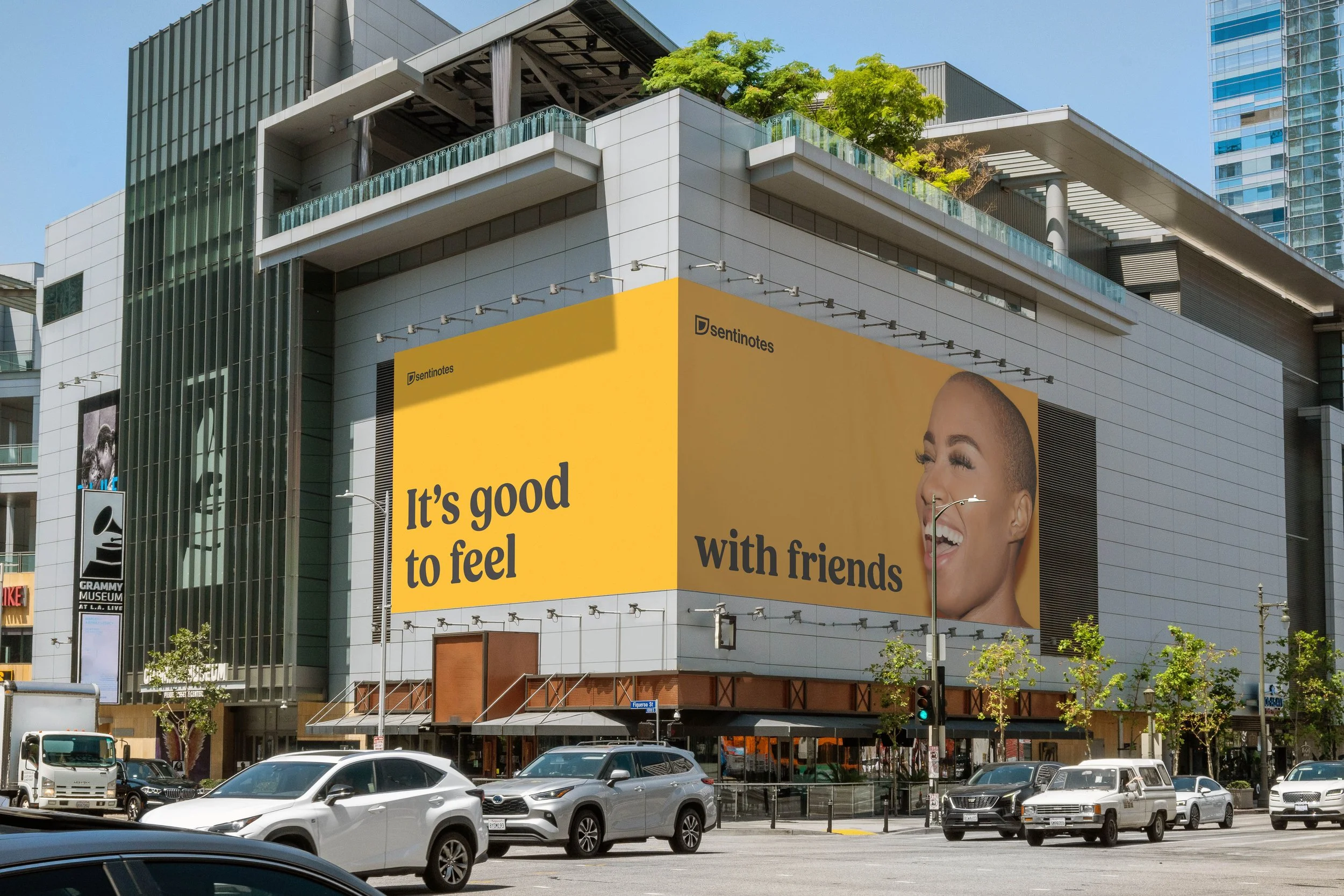
“How are you?” is one of the most common questions we ask and one of the least honest ones we answer. Over time, I realized that language often fails precisely when it matters most. In moments of emotional overload, dissociation, or quiet burnout, words either feel inaccessible or unsafe. My own experience with trauma made this gap impossible to ignore. I could function, perform, and respond, while internally something was eroding without a clear way to surface it. At a broader level, I saw the same pattern repeating in teams and organizations. Managers were expected to care about wellbeing, but the only tools available relied on verbal check ins, surveys, or retrospective reporting. By the time something was articulated, it was often already too late. The problem was not a lack of care. It was the absence of a truthful, low friction signal that could exist before language. offer generic content that fails to cater to individuals' specific needs, making it difficult to cultivate a sustainable and effective mindfulness routine.
solution
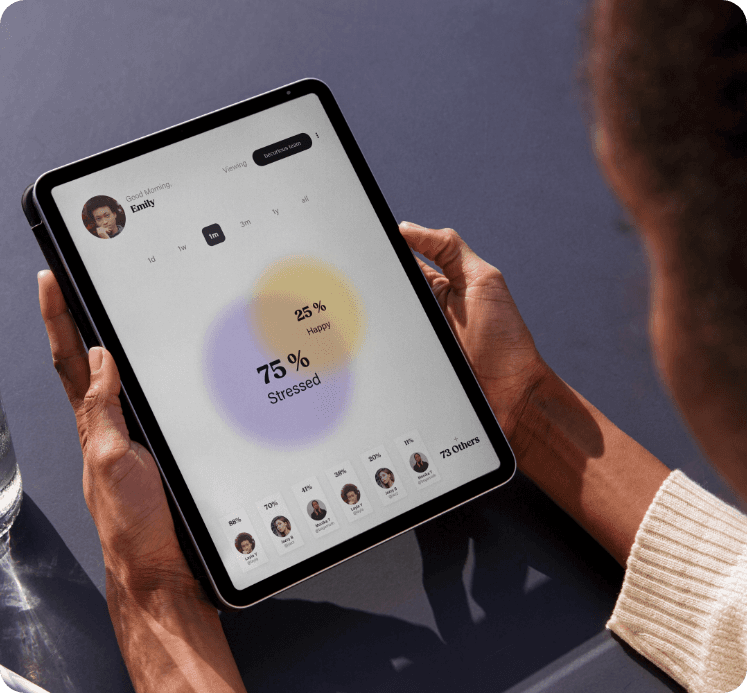
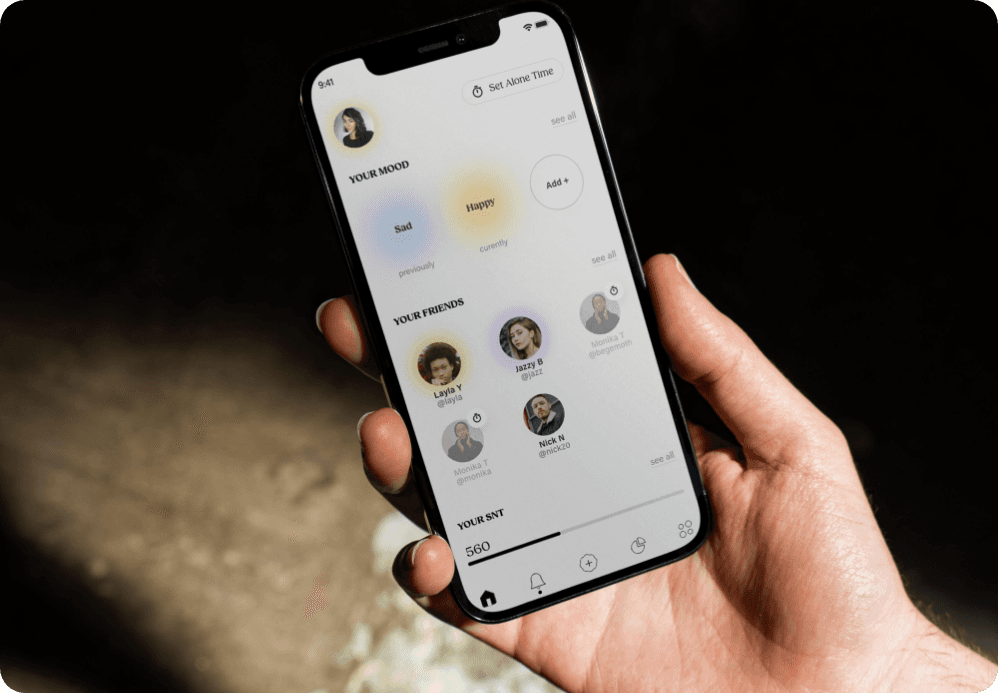
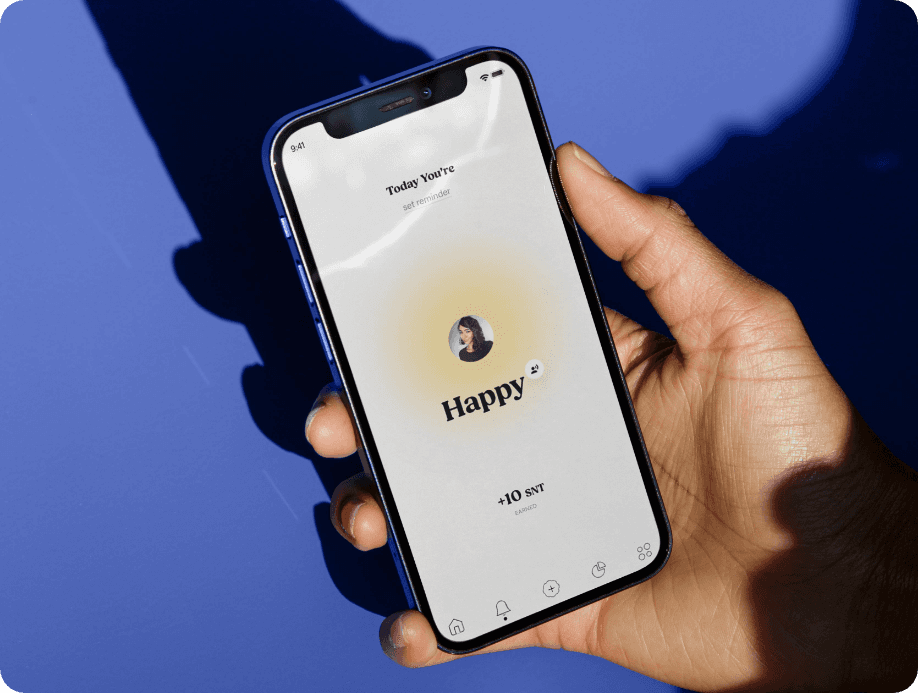
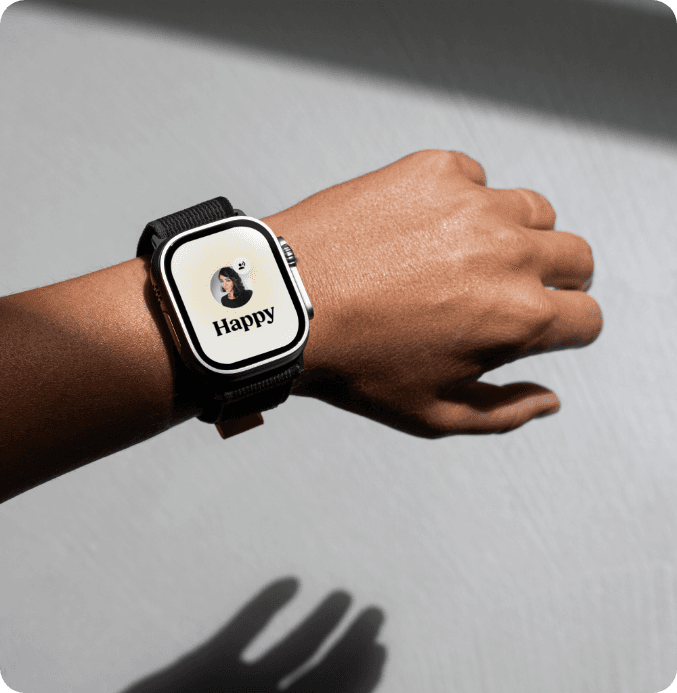
Sentinotes began as a personal system for marking presence when words were unavailable. It was not designed to explain emotions, resolve them, or label them correctly. It was designed to acknowledge them. The core idea was to replace the question “How are you?” with a quieter, more honest act. A simple, nonverbal signal that says something is happening, even if it cannot be named. What started as a private therapeutic tool has evolved into a broader system that helps make emotional patterns visible over time. Today, Sentinotes is being actively repositioned as a business tool that allows team managers to forecast wellbeing trends across teams without surveillance, forced disclosure, or performative check ins. The product lives at https://sentinotes.com and remains in active development.
Sentinotes was born directly from my own inability to answer “How are you?” truthfully. Not because I wanted to hide, but because the question itself demanded clarity I often did not have. Designing the tool became a way to externalize internal states without forcing coherence or narrative. It allowed me to show up honestly without explaining myself.

Two years of research and lived testing
The project unfolded over nearly two years of exploration, research, and iteration. I studied mental health platforms, clinical language, workplace wellbeing tools, and behavioral research. None of them fully addressed the moment before articulation. The most important research was lived. I deliberately designed through my own trauma, shutdowns, and emotional ambiguity, using myself as the first and most critical test case.
Nonverbal signaling and pattern formation
At its core, Sentinotes relies on simple signals captured in the moment. Individually, these signals are intentionally minimal and ambiguous. Over time, they form patterns that reveal far more than retrospective summaries. The system prioritizes consistency and presence over emotional precision. It values showing up over self analysis.
Public unveiling and resonance
In 2024, Sentinotes was unveiled publicly at a conference in Copenhagen. Presenting it in that context made clear that the problem it addressed was widely shared. The response was not framed around features or usability. People responded with recognition. The tool reflected something they had felt but could not articulate. That response validated that the system was solving a real human problem, not just a personal one.
Pivot toward organizational use
Following the public launch, interest began shifting toward team and organizational contexts. Leaders expressed a need for a way to sense wellbeing without invasive monitoring or performative culture rituals. The current direction focuses on aggregating anonymized signals to surface trends across teams. This allows managers to intervene earlier, address systemic stressors, and respond before burnout or crisis escalates.
Production and evolution
Sentinotes is currently being reworked to support this organizational use case. The central challenge is preserving emotional safety while enabling meaningful insight at scale. Privacy, consent, and restraint remain non negotiable. Development is ongoing, with features being tested, refined, or removed based on whether they preserve the original intent of the system.
Reflection
Sentinotes exists because I became a victim of corporate exhaustion from being overworked, under-appreciated and always feared as replaceable. I wanted to prevent this from happening to others. It started as a way for me to mark presence without explanation. It is becoming a tool that helps teams and organizations take mental health seriously without turning it into performance data. The project continues because the question “How are you?” still fails too often, and the cost of missing the real answer is too high.
year
2024
timeframe
2+ years
category
Mental Health
delivery
Personal Project
01
02
03
04