Invisible Pressure
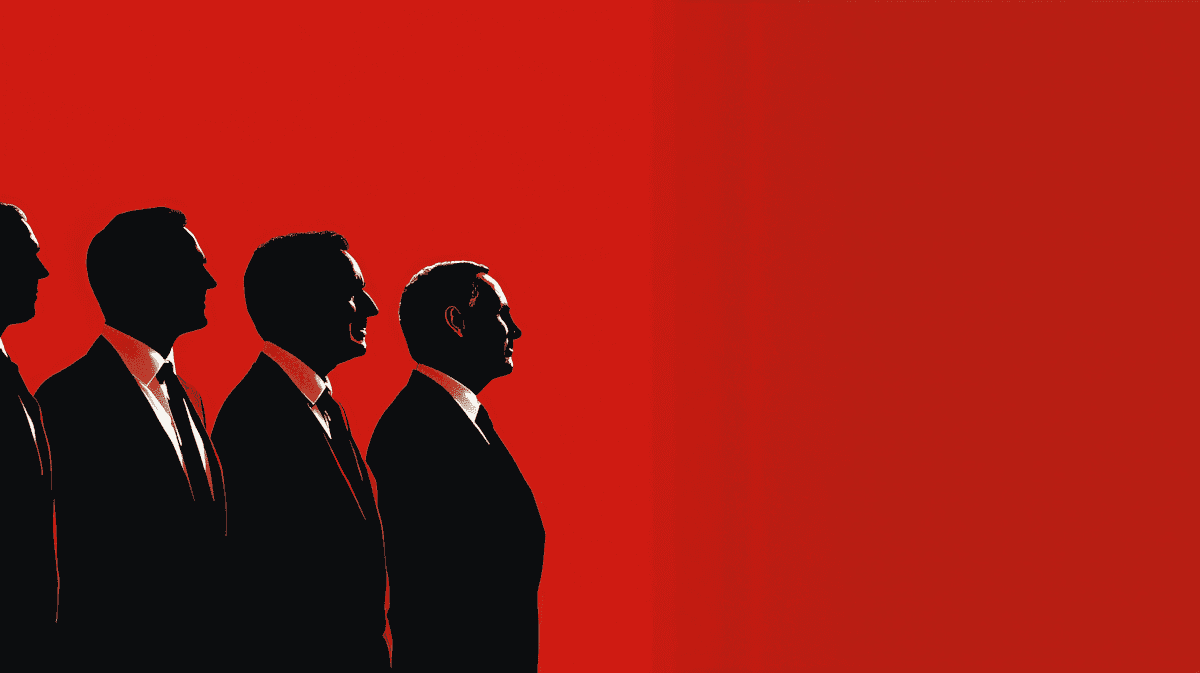
War doesn’t start the way it used to. There’s no announcement, no clear moment where you can point and say this is where it began. It just kind of… shifts. Systems adjust, things reroute, numbers start behaving differently. And by the time you realize something is off, it’s already been happening for a while, it’s there when you decide to start noticing though.
Most people still think of war as something physical. Troops, weapons, borders. But the reality is a lot less visible and a lot more embedded into the systems we rely on every single day. Financial networks, data infrastructure, satellite imaging, algorithmic decision making. These aren’t side players anymore, they are the battlefield.
If you look at the numbers, it gets pretty real pretty fast. Global military spending is over 2.4 trillion dollars. Cybersecurity alone is pushing past 200 billion a year. But the interesting part is that only a small portion of that actually translates into traditional warfare. Most of it sits in this grey area where nothing is officially happening, but everything is constantly being influenced, nudged, tested.
Take something like SWIFT. It processes something like 40 million transactions a day, connecting thousands of financial institutions across the world. That’s not just infrastructure, that’s leverage. When access to systems like that gets cut off, like what happened after the annexation of Crimea, entire economies feel it almost immediately. Currency drops, trade slows down, pressure builds. No bombs, no headlines at first, but the effect is very real.
Same thing with internet infrastructure. The amount of data moving around the world right now is hard to even wrap your head around. We’re talking zettabytes of traffic every year. And inside that flow, you’re not really looking at content anymore, you’re looking at patterns. Spikes, anomalies, weird behavior that doesn’t quite make sense.
A distributed denial of service attack, for example, can involve millions of devices all hitting one system at once. It’s not loud. It’s not dramatic. It just… overwhelms things until they stop working. And when systems go down, businesses lose millions, sometimes more. But to most people, it just looks like a service being temporarily unavailable.
Then you layer in satellite data. Today, satellites can scan the same place multiple times a day, and machine learning models are constantly comparing images, looking for changes. During things like the Russia-Ukraine War, a lot of what people were seeing wasn’t coming from official sources, it was coming from these systems. Patterns being detected, movements being inferred. It’s less about seeing and more about noticing what changed.
A financial restriction impacts supply chains. Supply chains impact production. Production impacts behavior. Behavior gets picked up by surveillance systems. That data feeds back into models, and those models start making new recommendations. It’s all connected, even if no one person actually sees the full picture.
That’s probably the part people underestimate the most.
The decisions aren’t always being made in some war room by a single person. A lot of them are being shaped by models that are optimizing for something very specific. Risk, stability, efficiency. And those models don’t understand context the way humans do. They just follow probabilities. If a threshold gets crossed, something happens. And technically, it makes sense. But zoom out a bit and it gets a lot more complicated.
So what you end up with is this kind of continuous state of tension. Not quite war, not quite peace. Just constant adjustments.
A financial analyst tweaks exposure based on market signals. A network engineer reroutes traffic because something looks off. Someone reviewing satellite data flags a pattern that shouldn’t be there. Each action is small, rational, almost boring on its own. But stack them together and you start seeing something bigger take shape.
Before, war was loud enough that everyone knew it was happening. Now it’s subtle. A service goes down. A product becomes harder to get. Something feels slightly off but you can’t really explain why. There’s no single event you can point to, just a series of small disruptions that add up.
From a numbers perspective, even tiny changes can have massive impact. A one percent disruption in a global supply chain can mean billions in losses. A few hours of downtime for a major platform can affect thousands of businesses. These things happen all the time, and most people don’t connect them to anything larger.
That’s what war looks like now, it didn’t disappear. It just moved into the systems we depend on. And because those systems are always running, the conflict never really stops either. It’s just quieter, harder to notice, and a lot more integrated into everyday life than most people realize.
Stanley Vaganov, Brutally Human